
Accurate Laboratory Coding Services for Faster Reimbursements
Specialized laboratory coding services with expertise in CPT, ICD-10, and HCPCS. Lower Errors not just for coding, prevent claim denials, and increase reimbursement.

IMAGE
Coding Excellence
How Laboratory Coding Services Reduce Errors and Improve Reimbursements
Laboratory coding services provide expert CPT, ICD-10, and HCPCS coding for laboratory tests and diagnostic panels. Accurate laboratory coding is fundamental to the entire revenue cycle; incorrect codes result in claim denials, reimbursement delays, and revenue loss.
By outsourcing professional lab coding services, you can avoid such denial-inducing errors in your medical billing processes. Our expert coders ensure every test is coded correctly, with proper modifiers and legitimate diagnosis codes, and that it meets complete medical necessity guidelines. The outcome: increased clean claim rates, reduced denials, and expedited reimbursements, boosting lab cash flow and enhancing operational efficiency.
Why Accurate Laboratory Coding Matters
Laboratory coding accuracy directly impacts claim acceptance, compliance, and revenue. Mistakes are costly.
Cost of Coding Errors
Claim denials when codes don't match the diagnosis or procedure
Underpayment from incorrect or lower-value codes
Reimbursement delays from coding-related rejections
Compliance risk from coding discrepancies and audits
Value of Accurate Coding
Clean claims that process on first submission
Full reimbursement for appropriate test codes
Faster payments from expedited claim processing
Audit readiness with compliant coding documentation
Common Obstacles
Common Laboratory Coding Challenges
These are the most common laboratory coding challenges that professional laboratory coding services systematically prevent:
Complex coding for lab tests and diagnostic panels
Errors in CPT, ICD-10, and HCPCS coding
Incorrect or missing modifiers
Medical necessity documentation issues
Frequent claim denials and rejections
Constant updates in coding guidelines
High-volume coding workload
Compliance risks
Lack of trained coding professionals
IMAGE
IMAGE
Operational Impact
How Laboratory Coding Impacts Revenue Cycle Management
Coding is at the beginning of the Revenue Cycle Management (RCM); it is the crucial step that determines whether a claim goes out clean or comes back as denied.
Getting it right the first time with complete coding means clean claims that flow through payer systems, avoid manual effort, and preemptive denials. There will be fewer denials, so your reimbursements and cash flow in the revenue cycle of your lab are more predictable.
Complete Service Scope
Our Laboratory Coding Services
Comprehensive lab coding services covering every aspect of laboratory test coding and compliance.
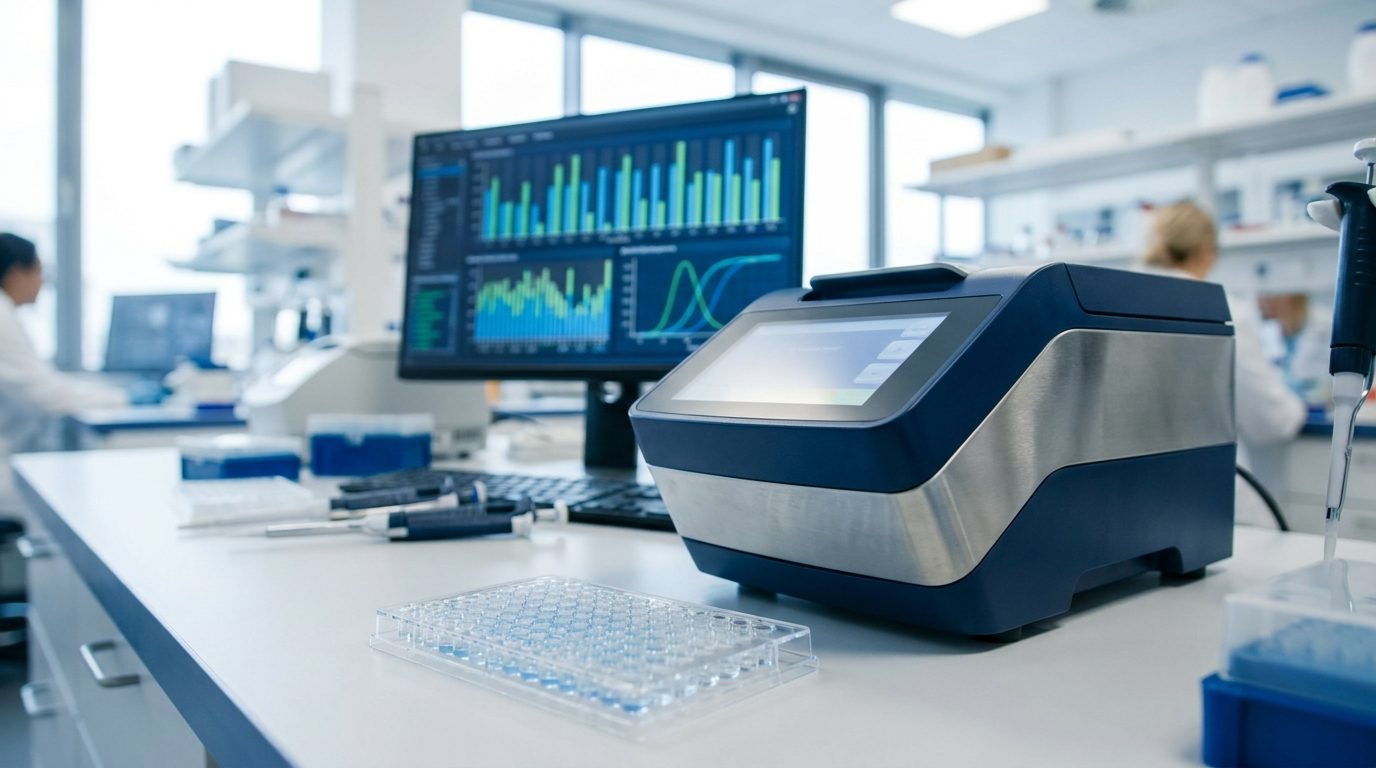
Common Laboratory Tests We Code
We code laboratory tests across all categories, from routine clinical tests to specialized molecular diagnostics.
Clinical Lab Tests
Blood panels, thyroid tests, metabolic panels, chemistry
Hematology & Immunology
CBC, coagulation studies, immunological testing, and antibody testing
Molecular Diagnostics
Molecular testing, genetic testing, molecular panels, sequencing
Pathology Services
Anatomic pathology, surgical pathology, histology, immunohistochemistry
Toxicology Testing
Drug testing, toxicology panels, substance screening, therapeutic drug monitoring
Infectious Disease
Serology, microbiology, culture testing, COVID-19, specialty infectious disease testing
Our Laboratory Coding Process
Systematic coding process from test order through submission-ready coding.
- 01
Order Review
Review of test orders and supporting documentation for coding readiness.
- 02
Documentation
Complete review of clinical documentation and medical necessity justification.
- 03
CPT Coding
Expert CPT code assignment with test-specific accuracy and optimization.
- 04
Diagnosis Coding
Accurate ICD-10 coding that links properly to test medical necessity.
- 05
Modifier Assignment
Correct modifier usage (90, 91, QW, etc.) for reimbursement optimization.
- 06
Quality Review
Dual-layer review to catch errors before submission to payers.
- 07
Verification
Final verification of medical necessity and documentation completeness.

How We Prevent Laboratory Claim Denials
Expert coding prevents the most common laboratory coding denials by addressing root causes upfront.
Wrong Codes Prevention
Expert coders eliminate coding mismatches. Correct codes on the first submission prevent rejections.
Medical Necessity Verification
Complete medical-necessity documentation verification prevents payer coverage denials.
Modifier Accuracy
Correct modifier assignment prevents reimbursement mismatches and denial-triggering errors.
Documentation Completeness
Complete documentation eliminates common reasons for denial in incomplete submissions.
Payer Rule Compliance
Expert knowledge of payer-specific rules and LCD requirements prevents policy-based denials.
Quality Assurance
Dual-layer QA review catches errors before submission. Proactive error prevention reduces denials.
Performance Outcomes of Professional Laboratory Coding
98%+
Coding Accuracy
45–60%
Denial Reduction
24–48 hrs
Turnaround
99%+
Clean Claims
200+
Labs Served

Laboratory Coding Guidelines and Compliance Standards
Our Medical Laboratory Coding experts maintain deep knowledge of all coding guidelines, LCDs, NCDs, and compliance requirements.
What Laboratory Providers Say
Our in-house coders were making mistakes we didn't even know about. After the audit showed consistent undercoding, we switched to their coding services. Accuracy dramatically improved. Claims are processing faster. Denials cut in half. Professional, reliable coding.
Independent Lab, Illinois
High-volume reference lab processing thousands of tests daily. Their coding team handles our volume accurately and efficiently. Clean claim rates improved from 84% to 98%. Revenue increased noticeably. Worth every penny.
Reference Lab Manager, Arizona
Started a new pathology lab and didn't have coding expertise. Their team handled all our coding from day one with accuracy and professionalism. Audit-ready documentation. Compliance certified. Allows us to focus on operations.
Pathology Lab Director, Texas
Investment Models
Cost of Laboratory Coding Services
Cost Factors:
Volume of lab tests
Complexity of coding
Scope of services
Level of expertise required
Our Quality Assurance Process
Multiple quality checks ensure coding accuracy on every claim. Dual-layer review before any submission.
Dual-Layer Review
Primary coder + secondary QA review on every claim. Two sets of eyes catch errors before submission.
Random Audits
Regular random sampling of coded claims for accuracy verification and coder performance tracking.
Accuracy Monitoring
Continuous monitoring of coding accuracy rates with performance metrics and trend analysis.
Continuous Education
Ongoing coder training with the latest coding guidelines, regulatory updates, and best practices.
Update Tracking
Continuous tracking of coding regulation updates, LCD changes, and guideline modifications.
Compliance Verification
Regular compliance verification with current coding standards and payer policies.
Why LabMed Billing
Why Choose Our Laboratory Coding Services
Frequently Asked Questions
Why Is Accurate Coding Important For Labs?
Accurate laboratory coding is fundamental to the entire revenue cycle. The right codes determine whether payers accept the claims, how much is reimbursed, and when you get paid. Claim denials, underpayment, and revenue loss ( The ultimate consequences of coding errors.
What Codes Are Used In Laboratory Billing and Coding?
There are three most commonly used codes in laboratory billing: CPT (Current Procedural Terminology) codes describe the test or procedure performed; ICD-10 identifies the diagnosis or medical necessity for the test; and HCPCS identifies specific items or services. Modifier is an addition to a CPT code (e.g., the QW modifier for CLIA-waived tests) that conveys additional information related to reimbursement.
Can You Reduce Claim Denials Through Coding?
Yes. Coding accuracy directly reduces denials. The most common denial reasons are wrong codes, missing diagnosis codes, incorrect modifiers, and incomplete documentation, all coding-related issues. Expert coding that addresses these issues reduces denials by 45–60% on average.
Are Your Services HIPAA Compliant?
Yes. All coding services that use secure systems, trained practitioners, restricted access controls, and confidential workflows are HIPAA-compliant. Patient data handling, protection,n and other functionality are compliant with healthcare security practices.
How Much Do Laboratory Coding Services Cost?
Cost is determined based on test volume, coding complexity, service area, and skill level. On-demand pricing and hourly, per-chart, monthly, and off-the-shelf packages
How Do CPT and ICD-10 Codes Work Together In Laboratory Claims?
The test being performed is identified by the CPT code, and the ICD-10 code provides the reason for performing it. Payers evaluate these two together to approve a claim.
What Modifiers Are Commonly Used In Laboratory Coding?
Common lab modifiers include QW (CLIA-waived test), 90 (reference lab), 91 (panel modifier), and others depending on test type and circumstances. Modifier selection significantly affects reimbursement. Expert knowledge of modifier usage is critical for optimization.
Can Outsourced Laboratory Coding Improve Reimbursement Rates?
Yes. Correct, compliant coding from experienced coders minimizes denials and rework, and creates an overall positive reimbursement experience.
How Do Coding Audits Improve Compliance?
Before something goes wrong, coding audits identify errors, inconsistencies, and compliance gaps. Scheduled audits validate that coding is appropriate, adheres to guidelines, and aligns with payer expectations. Identification of issues during audit leads to corrective action, avoiding future denials and compliance problems.

Ready to Improve Your Laboratory Coding Accuracy?
Stop leaving money on the table with coding errors. Get expert laboratory coding that reduces denials and improves reimbursements.